
Welcome to tripeco.in — Explore. Respect. Experience.

The Top 10 Breathtaking Nature Places to Visit in India

🌿 India, Where Nature Tells a Thousand Stories

India is not just a country—it’s a living canvas of biodiversity, scenic landscapes, and timeless natural wonders. From the snow-draped Himalayas and cold deserts of the north to tropical rainforests, coral islands, mangrove deltas, and sunlit beaches in the south, India offers one of the most diverse eco-tourism experiences on Earth.

At tripeco.in, we believe nature travel is more than sightseeing—it’s about connection. Connection with pristine landscapes, local cultures, slow journeys, and sustainable choices. Whether you’re a backpacker chasing offbeat trails, a nature lover seeking peace, or an eco-tourist planning mindful adventures, India rewards you with raw beauty at every turn.

Imagine drifting through silent backwaters, walking across a white salt desert under a full moon, trekking alpine valleys bursting with wildflowers, diving into coral reefs, or exploring dense jungles where wildlife still rules. These are not bucket-list fantasies—they are real, accessible, and life-changing journeys.

This is your gateway to India’s top 10 breathtaking nature destinations, carefully curated to inspire adventure while respecting the planet. Welcome to travel that feels meaningful. Welcome to tripeco.in.
1.Valley of Flowers, Uttarakhand – India’s Most Magical Alpine Paradise

The Natural Beauty of Valley of Flowers

Located in Chamoli district of Uttarakhand at an altitude of around 3,658 meters, Valley of Flowers is part of the Nanda Devi Biosphere Reserve. The valley stretches roughly 8 kilometers, forming a natural corridor of alpine meadows carved by ancient glaciers and nourished by the Pushpawati River.

A Landscape That Changes Every Week

What makes this destination extraordinary is its seasonal transformation. During winter, the valley lies dormant under thick snow. Come summer, the snow melts, revealing lush green grasslands. By mid-monsoon, the entire valley erupts into color—over 600 species of alpine flowers bloom in waves, each week introducing a new palette.

From violet and blue Himalayan bellflowers to bright yellow potentillas and rare cobra lilies, the scenery feels almost surreal. Clouds float at eye level, waterfalls cascade from hanging cliffs, and the air carries the faint fragrance of wild herbs.

A Benchmark for Eco-Tourism in India

Valley of Flowers is one of the best examples of responsible and eco-friendly tourism in India. Motor vehicles are prohibited beyond Govindghat, plastic is restricted, and visitor numbers are regulated. This careful conservation has preserved the valley’s pristine ecosystem, making it a flagship destination for sustainable travel in India.


Best Time to Visit Valley of Flowers

Timing is everything when planning a trip here.

July to September – Peak Bloom Season

This is the best time to visit Valley of Flowers. Monsoon rains trigger full flowering, transforming the valley into a natural rainbow. August is especially popular for nature photography and botanical exploration.

June – Early Access

In June, the valley opens after snow clearance. While flowers are fewer, landscapes are greener, crowds are lighter, and trekking conditions are relatively easier.

October to May – Closed Season

Due to heavy snowfall and extreme weather, the valley remains closed. This closure is vital for ecological regeneration and wildlife safety.


Flora & Fauna: A Living Himalayan Museum

Valley of Flowers is a biodiversity hotspot, often described as an open-air botanical laboratory.

Rare and Medicinal Plants

  • Brahma Kamal (Sacred Himalayan Lotus)
  • Blue Poppy
  • Himalayan Fritillary
  • Dactylorhiza Hatagirea (used in Ayurveda)

Many plants found here are endemic to the Western Himalayas and have high medicinal value, reinforcing the valley’s importance in Indian ecological heritage.

Wildlife Sightings

Though elusive, the valley is home to:

  • Snow Leopard (rare sightings at higher altitudes)
  • Himalayan Black Bear
  • Musk Deer
  • Blue Sheep (Bharal)
  • Monal (Uttarakhand’s state bird)

Birdwatchers and wildlife enthusiasts consider this region a hidden gem among nature travel destinations in India.


Top Attractions & Hidden Gems

Valley of Flowers Trek

The main attraction is the 14 km trek (one way) from Govindghat to Ghangaria and onward to the valley. Moderately challenging, the trail rewards you with breathtaking views at every turn.

Hemkund Sahib

Just 6 km from Ghangaria lies Hemkund Sahib, one of the highest Sikh pilgrimage sites in the world. Surrounded by seven snow-clad peaks and a glacial lake, it adds spiritual depth to the journey.

Pushpawati River Trail

A quieter section of the valley where wildflowers grow denser and tourist footfall thins out—ideal for mindful travelers and photographers.


Where to Stay: Hotels & Accommodation Options

Since construction is restricted near the valley, accommodation is mainly available at Govindghat and Ghangaria.

1. Hotel Snow Crest – Mid-Range

One of the most comfortable options in Ghangaria, offering clean rooms, hot water, in-house dining, and mountain views. Ideal for trekkers seeking comfort after a long hike.

2. GMVN Tourist Rest House – Budget

Run by Garhwal Mandal Vikas Nigam, this is a reliable budget stay with basic amenities, strong safety standards, and proximity to trek routes.

3. Hotel Nanda Lokpal Palace – Premium

Located at Govindghat, this hotel offers spacious rooms, multi-cuisine dining, and panoramic river views. Suitable for travelers wanting comfort before or after the trek.

4. Hotel Kuber Annex – Budget to Mid

A popular choice among pilgrims and trekkers, known for its hospitality, clean rooms, and convenient location near transport hubs.


What & Where to Eat: Local Food Experiences

While the region is remote, food here is simple, nourishing, and deeply connected to Garhwali culture.

Popular Eating Places

  • Langar at Hemkund Sahib – Free community meals, wholesome and soul-warming
  • Local Dhabas in Ghangaria – Serving fresh vegetarian meals
  • GMVN Restaurant – Hygienic and traveler-friendly

Must-Try Local Dishes

  • Aloo ke Gutke
  • Mandua (Finger Millet) Roti
  • Phaanu (Lentil-based Garhwali dish)
  • Simple Dal-Chawal with local ghee

Food here focuses on energy and warmth—perfect for high-altitude trekking.


How to Plan Your Trip: Travel Resources & Logistics

How to Reach

  • By Air: Jolly Grant Airport, Dehradun
  • By Train: Rishikesh or Haridwar
  • By Road: Haridwar/Rishikesh → Joshimath → Govindghat

From Govindghat, a trek or mule ride leads to Ghangaria.

Permits & Entry

Entry tickets are issued at Ghangaria forest check-post. Carry valid ID and avoid single-use plastics.

Useful Travel Websites

Booking in advance during peak season is highly recommended.

2.Munnar, Kerala – Tea Gardens, Misty Hills & the Soul of Nature Travel in India

india hill and nature

The Natural Beauty of Munnar, Kerala

Munnar is located at an altitude of around 1,600 meters above sea level, where three mountain streams—Mudrapuzha, Nallathanni, and Kundala—meet. The name “Munnar” literally means three rivers, and water plays a vital role in shaping its lush landscape.

Tea Gardens as Far as the Eye Can See

The most iconic visual of Munnar is its tea estates. Introduced during British colonial rule, these plantations now stretch endlessly across hills and valleys, forming a green carpet that changes shades with sunlight and mist. Early mornings are magical—soft fog floats over tea bushes, workers move rhythmically through the fields, and the scent of fresh tea leaves fills the air.

Walking through these estates is not just scenic; it is deeply calming. The symmetry of the tea rows, the silence broken only by birds, and the cool climate make Munnar a top choice for nature tourism in India.

Misty Hills & Cool Climate

Unlike most of Kerala, Munnar enjoys a cool, pleasant climate throughout the year. Temperatures typically range between 10°C and 25°C. The mist that rolls in during mornings and evenings adds a dreamlike quality, especially at viewpoints and hilltops.

This unique climate supports rich flora and fauna, making Munnar part of the Western Ghats—one of the world’s eight “hottest hotspots” of biological diversity.


Best Time to Visit Munnar

Choosing the right season enhances your experience of this hill station.

October to March – Best Overall Season

This is considered the best time to visit Munnar. The weather is cool, skies are clear, and visibility is excellent for sightseeing, trekking, and photography. Ideal for honeymooners and family travelers.

April to June – Summer Escape

While much of India faces extreme heat, Munnar remains comfortably cool. This is a popular time for domestic tourists seeking a summer hill station in South India.

July to September – Monsoon Magic

Monsoon transforms Munnar into a lush green paradise. Waterfalls are at their peak, forests look fresh, and the mist feels more dramatic. This season is perfect for eco-tourism lovers and budget travelers, though outdoor activities may be limited.


Flora & Fauna: Munnar’s Living Ecosystem

Munnar is not just about landscapes; it is a biodiversity treasure.

Rare Flora

Munnar is famous for the Neelakurinji flower, which blooms once every 12 years, carpeting hills in blue-purple hues. The region also hosts orchids, medicinal plants, wild balsams, and dense shola forests.

Wildlife & Birdlife

Nearby protected areas shelter:

  • Nilgiri Tahr
  • Indian Gaur
  • Sambar Deer
  • Leopard (rare sightings)
  • Malabar Whistling Thrush
  • Nilgiri Flycatcher

The Eravikulam National Park is especially significant for conserving the endangered Nilgiri Tahr and offers breathtaking views of rolling grasslands.


Top Attractions & Hidden Gems in Munnar

Tea Museum

The Tata Tea Museum provides insight into Munnar’s tea legacy, from colonial times to modern production. It’s educational and scenic.

Top Station

One of the highest points near Munnar, Top Station offers panoramic views of the Western Ghats and neighboring Tamil Nadu. Sunrise and sunset here are unforgettable.

Mattupetty Dam & Kundala Lake

These serene water bodies are surrounded by hills and forests, ideal for boating, picnics, and relaxed sightseeing.

Attukad & Lakkam Waterfalls

During monsoon and post-monsoon seasons, waterfalls around Munnar become powerful and picturesque, adding drama to the landscape.

Chokramudi Peak (Hidden Gem)

A lesser-known trekking spot offering panoramic views and fewer crowds—perfect for adventure and nature enthusiasts.


Where to Stay in Munnar: Hotels & Resorts

1. Tea County Munnar – Luxury

A premium hill resort offering spacious rooms, valley views, spa services, indoor games, and fine dining. Ideal for honeymooners and luxury travelers.

2. Windermere Estate – Premium Eco-Stay

Located amidst cardamom and coffee plantations, this eco-friendly resort focuses on nature walks, birdwatching, and personalized service.

3. KTDC Tea County – Mid-Range

Run by Kerala Tourism, it offers reliable comfort, scenic surroundings, and easy access to major attractions.

4. Green Ridge Holiday Home – Budget

A clean and affordable option with friendly staff, basic amenities, and great views—ideal for backpackers and budget travelers.


What & Where to Eat in Munnar

Popular Restaurants & Cafés

  • Saravana Bhavan – South Indian vegetarian meals
  • Rapsy Restaurant – Affordable Kerala & North Indian food
  • SN Restaurant – Authentic Kerala flavors
  • Eastend Café – Good for continental and Indian dishes

Must-Try Local Dishes

  • Kerala Sadya
  • Appam & Stew
  • Puttu & Kadala Curry
  • Malabar Parotta
  • Fresh local tea and cardamom-infused coffee

Food in Munnar is comforting, mildly spiced, and perfect for the cool climate.


How to Plan Your Trip to Munnar

How to Reach

  • By Air: Cochin International Airport (approx. 110 km)
  • By Train: Aluva or Ernakulam Junction
  • By Road: Well-connected via Kochi, Madurai, and Coimbatore

The drive to Munnar itself is scenic, winding through forests and plantations.

Travel Websites & Booking Resources

Advance booking is recommended during peak seasons (October–March).

3.Coorg (Kodagu), Karnataka – Coffee Plantations, Waterfalls & a Timeless Nature Escape

The Natural Beauty of Coorg (Kodagu), Karnataka

Situated at an altitude ranging from 900 to 1,700 meters above sea level, Coorg forms part of the biodiversity-rich Western Ghats, a UNESCO-recognized ecological hotspot. The region is a harmonious blend of rolling hills, thick forests, coffee estates, spice plantations, and river valleys.

Coffee Plantations: The Heart of Coorg

Coorg is one of India’s largest coffee-producing regions, especially known for Arabica and Robusta varieties. Vast estates blanket the hills, often intercropped with pepper, cardamom, orange, and areca nut trees.

Walking through a coffee plantation is a signature Coorg experience. Tall silver oak trees provide shade, red coffee cherries dot the plants during harvest season, and the air carries an earthy aroma unique to this region. Many estates also promote sustainable farming, making Coorg a leading eco-tourism destination in India.

Forests, Hills & Rivers

Over 60% of Coorg is covered in forest. Thick rainforests transition into shola grasslands at higher elevations, creating dramatic scenery. The sacred River Kaveri originates here at Talakaveri, adding immense cultural and ecological significance to the region.

Morning mist, rolling clouds, and frequent rain showers—especially during monsoon—give Coorg its dreamy, cinematic quality.


Best Time to Visit Coorg

Coorg is a year-round destination, but each season offers a different experience.

October to March – Best Overall Season

This is the best time to visit Coorg for pleasant weather, clear views, sightseeing, wildlife spotting, and plantation walks. Ideal for families, couples, and first-time visitors.

April to May – Summer Escape

While the plains heat up, Coorg remains cool and refreshing. This season is popular among domestic tourists looking for a hill station getaway in Karnataka.

June to September – Monsoon Paradise

Monsoon transforms Coorg into a lush green wonderland. Waterfalls are at their peak, forests look vibrant, and crowds thin out. This is the best season for eco-tourism lovers, photographers, and budget travelers, though landslides can occasionally affect road travel.


Flora & Fauna: A Biodiversity Haven

Coorg’s natural wealth goes far beyond scenic beauty.

Rich Plant Life

  • Coffee and pepper vines
  • Wild orchids
  • Bamboo groves
  • Teak and rosewood trees
  • Medicinal plants used in Ayurveda

Wildlife of Coorg

Protected forests and reserves around Coorg support:

  • Asian Elephants
  • Indian Bison (Gaur)
  • Leopards
  • Wild Boars
  • Malabar Giant Squirrel
  • Numerous species of birds, butterflies, and reptiles

The Nagarhole National Park, located close to Coorg, is a major attraction for wildlife enthusiasts and safari lovers.


Top Attractions & Hidden Gems in Coorg

Abbey Falls

One of the most famous waterfalls in Coorg, Abbey Falls plunges through thick coffee and spice plantations. Best visited during monsoon and post-monsoon seasons.

Raja’s Seat

A historic viewpoint offering breathtaking sunrise and sunset views over mist-filled valleys. Once a favorite spot of Kodava kings.

Talakaveri

The sacred birthplace of the River Kaveri, located in the Brahmagiri hills. A spiritual and scenic site surrounded by forests and clouds.

Dubare Elephant Camp

At Dubare Elephant Camp, visitors can observe elephants up close, learn about their care, and enjoy river-side forest walks.

Mandalpatti (Hidden Gem)

A rugged hilltop reachable by jeep or trek, Mandalpatti offers panoramic views of untouched landscapes and dramatic cloud formations—perfect for adventure seekers.


Where to Stay in Coorg: Hotels & Resorts

1. The Tamara Coorg – Luxury

A premium eco-luxury resort set amidst coffee plantations. Offers private cottages, infinity pool, spa, nature walks, and breathtaking valley views—ideal for honeymooners.

2. Orange County Coorg – Luxury Heritage

Inspired by Kodava architecture, this resort blends luxury with local culture. Known for river views, guided nature activities, and exceptional service.

3. Club Mahindra Madikeri – Mid-Range

A family-friendly resort offering comfortable rooms, indoor games, kids’ activities, and scenic surroundings near Madikeri town.

4. Zostel Coorg – Budget

Popular among backpackers and solo travelers. Clean dorms, private rooms, social atmosphere, and stunning hill views at affordable prices.


What & Where to Eat in Coorg

Popular Restaurants & Cafés

  • Raintree Restaurant – Authentic Kodava food
  • Coorg Cuisine – Traditional home-style meals
  • Beans n Brews – Coffee, snacks, and desserts
  • Hotel East End – Reliable vegetarian and non-veg options

Must-Try Local Dishes

  • Pandi Curry (Coorg Pork Curry)
  • Kadambuttu (Rice dumplings)
  • Akki Roti
  • Bamboo Shoot Curry
  • Fresh Coorg coffee and homemade chocolate

Coorg’s cuisine is bold, earthy, and deeply rooted in its warrior culture.


How to Plan Your Trip to Coorg

How to Reach

  • By Air: Mangalore International Airport (approx. 160 km)
  • By Train: Mysuru or Hassan
  • By Road: Well-connected from Bengaluru, Mysuru, and Mangalore

A road trip to Coorg is highly recommended for its scenic beauty.

Travel Websites & Booking Resources

Advance reservations are advised during weekends and peak seasons.

4.Kaziranga National Park, Assam – The Land of One-Horned Rhinos & Wild India

The Natural Beauty of Kaziranga National Park

Kaziranga National Park spans over 430 square kilometers across the Golaghat and Nagaon districts of Assam. Its landscape is shaped by the Brahmaputra and its tributaries, creating a dynamic ecosystem that changes with every season.

A Landscape Carved by Water and Time

Kaziranga’s terrain is a stunning mix of:

  • Tall elephant grasslands
  • Dense tropical moist forests
  • Open woodlands
  • Swamps, beels (wetlands), and river channels

Annual floods, though challenging, are vital to the park’s ecological balance. These floods replenish soil nutrients, support grass regeneration, and create ideal habitats for herbivores—forming the backbone of Kaziranga’s food chain.

Early mornings in the park are magical. Golden sunlight filters through mist, silhouettes of rhinos emerge from grasslands, and bird calls echo across wetlands. This raw, untamed beauty makes Kaziranga one of the best wildlife tourism destinations in India.

A Flagship of Eco-Tourism in India

Kaziranga is often cited as a conservation success story. Strict anti-poaching measures, community involvement, and regulated tourism have helped protect endangered species while promoting responsible eco-tourism. Visitor movement is carefully controlled through safari zones, ensuring minimal disturbance to wildlife.


Best Time to Visit Kaziranga National Park

November to April – Best Wildlife Season

This is the best time to visit Kaziranga National Park. The park remains open, water levels recede, and wildlife sightings peak. December to February offers pleasant weather, while March and April are excellent for spotting animals near water sources.

May to October – Monsoon & Closure

The park remains closed due to heavy monsoon rains and flooding. While visually dramatic, this season is unsafe for safaris and human movement. However, floods play a crucial ecological role and sustain Kaziranga’s long-term biodiversity.


Flora & Fauna: A Wildlife Powerhouse

The Iconic One-Horned Rhinoceros

Kaziranga is synonymous with the Indian One-Horned Rhinoceros. These prehistoric-looking giants roam freely across grasslands and wetlands, often seen grazing, bathing, or moving in groups.

Other Mammals of Kaziranga

Kaziranga is home to the “Big Five” of Assam:

  • One-horned Rhinoceros
  • Bengal Tiger
  • Asian Elephant
  • Wild Water Buffalo
  • Swamp Deer (Barasingha)

In fact, Kaziranga has one of the highest tiger densities among protected areas in the world, earning it the status of a Tiger Reserve.

Birdlife & Reptiles

With over 480 bird species, Kaziranga is a paradise for birdwatchers. During winter, migratory birds arrive from Central Asia and Siberia. Reptiles like pythons, monitor lizards, and turtles thrive in wetland areas.


Top Attractions & Hidden Gems in Kaziranga

Jeep Safari

The most popular way to explore the park, jeep safaris cover extensive areas and offer excellent wildlife viewing opportunities. Safaris are conducted in different zones, each with unique landscapes.

Elephant Safari

A signature experience in Kaziranga, elephant safaris allow close encounters with rhinos and deer from a safe, elevated vantage point—especially during early mornings.

Kaziranga Orchid Park (Hidden Cultural Gem)

Located near the park, Kaziranga Orchid Park showcases Assamese culture, traditional dance, crafts, and cuisine—perfect for cultural immersion after safaris.

Brahmaputra River Views

Nearby riverbanks offer serene sunset views, river dolphins (occasionally), and insight into Assam’s lifeline.


Where to Stay in Kaziranga: Hotels & Resorts

1. IORA The Retreat – Luxury

One of the most popular luxury resorts near Kaziranga, offering spacious cottages, swimming pool, spa, landscaped gardens, and guided safari assistance.

2. Diphlu River Lodge – Premium Eco-Stay

An eco-luxury lodge set along the Diphlu River. Offers stilted cottages, nature walks, birdwatching, and sustainable tourism experiences.

3. Wild Grass Lodge – Mid-Range

Known for its Assamese hospitality, cultural programs, and comfortable cottages surrounded by greenery.

4. Bonhabi Resort – Budget

A reliable budget option with clean rooms, local cuisine, and proximity to safari entry points.


What & Where to Eat in Kaziranga

Popular Food Places

  • Golaghat Dhaba – Simple Assamese meals
  • IORA Restaurant – Indian and local cuisine
  • Wild Grass Restaurant – Cultural dining experience

Must-Try Assamese Dishes

  • Masor Tenga (sour fish curry)
  • Duck Curry with Ash Gourd
  • Khar (alkaline traditional dish)
  • Bamboo Shoot preparations
  • Assam Tea (world-famous)

The cuisine is subtle, earthy, and deeply connected to local ingredients.


How to Plan Your Trip to Kaziranga

How to Reach

  • By Air: Jorhat Airport (approx. 100 km)
  • By Train: Furkating Junction
  • By Road: Well-connected from Guwahati, Jorhat, and Tezpur

Travel Websites & Booking Resources

Safari bookings should be done in advance during peak season.

5.Spiti Valley, Himachal Pradesh – The Cold Desert of Rugged Mountains & Raw Himalayan Beauty

india nature exploration

The Natural Beauty of Spiti Valley, Himachal Pradesh

Spiti Valley sits at an average altitude of over 3,800 meters, making it one of the highest inhabited regions in the world. Unlike the lush green Himalayas, Spiti is a cold desert—characterized by barren mountains, rocky cliffs, minimal vegetation, and vast open skies.

A Landscape of Extremes

Spiti’s terrain is shaped by glaciers, rivers, and centuries of erosion. You’ll find:

  • Rugged brown and grey mountains
  • Deep river valleys carved by the Spiti River
  • Snow-capped peaks in the distance
  • Isolated villages clinging to cliffs
  • Vast plateaus with surreal silence

During the day, sunlight paints the mountains in shades of gold and rust. At night, the sky transforms into a canvas of countless stars, making Spiti one of the best places in India for stargazing.

A Flagship Destination for Eco-Tourism in India

Spiti Valley is a prime example of low-impact, sustainable tourism. With limited resources, harsh climate, and fragile ecology, tourism here is naturally regulated. Homestays, solar power, minimal construction, and community-led tourism make Spiti a benchmark for responsible eco-tourism in India.


Best Time to Visit Spiti Valley

May to October – Best Travel Season

This is the best time to visit Spiti Valley, as roads are open and weather conditions are manageable.

  • May–June: Snow begins to melt, landscapes are dramatic, fewer tourists
  • July–August: Pleasant temperatures, green patches near rivers, ideal for trekking
  • September–October: Clear skies, autumn colors, best photography season

November to April – Extreme Winter

Spiti remains cut off due to heavy snowfall. Temperatures can drop below -20°C. Only locals remain, surviving in complete isolation. This season is not recommended for tourists unless you are an experienced winter expedition traveler.


Flora & Fauna: Life in the Cold Desert

High-Altitude Flora

Vegetation is sparse but resilient:

  • Alpine grasses
  • Wild roses
  • Seabuckthorn bushes
  • Medicinal herbs used in Tibetan medicine

These plants are adapted to low oxygen, freezing temperatures, and minimal rainfall.

Rare Wildlife of Spiti

Despite its harsh environment, Spiti supports remarkable wildlife:

  • Snow Leopard
  • Himalayan Ibex
  • Blue Sheep (Bharal)
  • Tibetan Wolf
  • Red Fox
  • Golden Eagle

Spiti is one of India’s best regions for ethical snow leopard tourism, making it a top wildlife destination for conservation-focused travelers.


Top Attractions & Hidden Gems in Spiti Valley

Key Monastery

The iconic Key Monastery is Spiti’s largest and most photographed monastery. Perched dramatically atop a hill, it offers panoramic valley views and deep spiritual calm.

Chandratal Lake

Also known as the “Moon Lake,” Chandratal Lake is a breathtaking high-altitude lake surrounded by barren mountains. A paradise for trekkers and photographers.

Dhankar Monastery & Fort

The ancient Dhankar Monastery clings to a sheer cliff, overlooking the confluence of the Spiti and Pin rivers—one of the most dramatic sights in the Himalayas.

Langza, Hikkim & Komic (Hidden Villages)

  • Langza: Fossil village with a giant Buddha statue
  • Hikkim: Home to the world’s highest post office
  • Komic: One of the highest villages in the world

These villages offer authentic insight into Spitian life and culture.


Where to Stay in Spiti Valley: Hotels & Homestays

1. Spiti Sarai – Luxury Eco-Stay

An eco-luxury lodge offering heated rooms, solar power, gourmet meals, and curated local experiences. Ideal for comfort seekers in a harsh landscape.

2. Hotel Deyzor – Mid-Range

Located in Kaza, this boutique hotel offers modern comfort, cozy interiors, excellent food, and cultural evenings.

3. Zostel Spiti – Budget

Popular among backpackers and solo travelers. Offers dorms, private rooms, social spaces, and stunning views.

4. Spiti Village Homestays – Budget & Authentic

Family-run homestays in villages like Langza and Demul provide basic comfort, home-cooked meals, and immersive cultural experiences.


What & Where to Eat in Spiti Valley

Popular Eating Places

  • Sol Café – Pizza, momos, desserts
  • The Himalayan Café – Indian & continental food
  • Local Homestay Kitchens – Authentic Spitian meals

Must-Try Local Dishes

  • Thukpa (noodle soup)
  • Momos
  • Tingmo (steamed bread)
  • Butter Tea
  • Barley-based meals

Food in Spiti is simple, warming, and designed for survival in extreme cold.


How to Plan Your Trip to Spiti Valley

How to Reach

  • Via Shimla Route: Open most of the year, scenic but long
  • Via Manali Route: Shorter but open only June–October

Nearest town: Kaza (Spiti headquarters)

Travel Websites & Booking Resources

Advance planning is essential due to limited infrastructure.

6.Alleppey (Alappuzha), Kerala – Backwaters, Houseboats & the Timeless Soul of Nature Travel in India

The Natural Beauty of Alleppey (Alappuzha), Kerala

Alleppey lies along the Arabian Sea coast and forms the gateway to Kerala’s backwater network, which includes rivers, canals, lagoons, and lakes fed by monsoon rains and the Western Ghats.

A Living Water World

The defining feature of Alleppey is its intricate system of backwaters—an interconnected maze of:

  • Narrow canals
  • Wide lagoons
  • Paddy fields below sea level
  • Coconut-lined banks
  • Vast lakes like Vembanad Lake

This watery landscape creates a serene, almost hypnotic environment. Early mornings bring soft golden light, mist rising from water surfaces, and the gentle sound of oars cutting through canals. Evenings are calm, with sunsets reflecting fiery hues across still waters.

Houseboats: Floating Through Nature

The most iconic way to experience Alleppey is aboard a traditional houseboat (kettuvallam). Once used to transport rice and spices, these boats are now redesigned with modern comforts—bedrooms, bathrooms, kitchens, and open decks—while retaining their eco-friendly construction using coir ropes and wooden planks.

A houseboat journey is not sightseeing—it’s immersion. You don’t just see the backwaters; you live within them.

A Model Eco-Tourism Destination

Alleppey stands as a shining example of sustainable tourism in India. Local livelihoods, traditional fishing, coir making, rice farming, and responsible tourism practices coexist in harmony. Many houseboats now operate on solar energy and eco-friendly waste systems, reinforcing Alleppey’s role in ethical eco-tourism.


Best Time to Visit Alleppey

October to March – Best Overall Season

This is the best time to visit Alleppey. The weather is pleasant, humidity is manageable, and backwater cruises are most comfortable. Ideal for houseboat stays, sightseeing, and beach visits.

April to May – Summer Experience

Summers are warmer but quieter. Fewer tourists mean better deals on houseboats and resorts. Early mornings and evenings remain enjoyable.

June to September – Monsoon Magic

Monsoon transforms Alleppey into a lush green paradise. While heavy rains limit outdoor activities, this season is perfect for travelers seeking tranquility, Ayurvedic treatments, and dramatic scenery. It’s also considered the best time for Ayurvedic therapies.


Flora & Fauna of Alleppey’s Backwaters

Lush Plant Life

Alleppey’s ecosystem supports:

  • Coconut palms
  • Mangroves
  • Paddy fields
  • Water lilies and lotus
  • Medicinal plants used in Ayurveda

The region’s famous Kuttanad paddy fields are among the few places in the world where farming is done below sea level.

Birdlife & Aquatic Species

Backwaters are home to:

  • Kingfishers
  • Egrets and herons
  • Cormorants
  • Migratory birds (seasonal)
  • Freshwater fish and prawns

Birdwatchers and nature photographers find Alleppey a rewarding destination year-round.


Top Attractions & Hidden Gems in Alleppey

Backwater Houseboat Cruise

The crown jewel of Alleppey tourism. A day cruise or overnight stay offers views of village life, canals, coconut groves, and sunsets that feel almost unreal.

Alappuzha Beach

A quiet, less-commercialized beach with a historic pier and lighthouse. Perfect for evening walks and sunset photography.

Marari Beach (Hidden Gem)

Located a short drive away, Marari Beach offers pristine sands, fewer crowds, and a strong eco-resort culture.

Kuttanad – The Rice Bowl of Kerala

Explore rural Kerala through canoe rides in Kuttanad’s narrow canals, surrounded by paddy fields and village homes.

Nehru Trophy Snake Boat Race

Held annually on Vembanad Lake, this vibrant event showcases Kerala’s boating culture, teamwork, and festive spirit.


Where to Stay in Alleppey: Hotels & Houseboats

1. Punnamada Resort – Luxury

A premium eco-luxury resort set along the backwaters. Offers private villas, Ayurvedic spa, yoga sessions, and sunset views. Ideal for honeymooners and wellness travelers.

2. Lake Palace Resort – Premium Heritage

Located on the banks of Vembanad Lake, this resort blends traditional Kerala architecture with modern comfort and serene surroundings.

3. Zostel Alleppey – Budget

Popular among backpackers and solo travelers. Clean rooms, social spaces, and easy access to beach and town.

4. Xandari Riverscapes – Luxury Houseboat

A premium houseboat experience with spacious cabins, fine dining, and curated backwater routes.


What & Where to Eat in Alleppey

Popular Restaurants & Cafés

  • Thaff Restaurant – Famous for seafood
  • Indian Coffee House – Affordable South Indian food
  • Mushroom Restaurant – Great veg options
  • Houseboat Kitchens – Freshly cooked local meals onboard

Must-Try Local Dishes

  • Kerala Sadya
  • Karimeen Pollichathu (Pearl Spot Fish)
  • Prawn Curry
  • Appam & Stew
  • Fresh coconut-based dishes

Alleppey’s cuisine is rich, aromatic, and deeply tied to its waterways.


How to Plan Your Trip to Alleppey

How to Reach

  • By Air: Cochin International Airport (≈85 km)
  • By Train: Alappuzha Railway Station
  • By Road: Well-connected from Kochi, Trivandrum, and Kumarakom

Travel Websites & Booking Resources

  • Kerala Tourism Development Corporation – Official tourism info
  • MakeMyTrip – Hotels & houseboats
  • IRCTC – Train reservations

Advance booking is recommended during peak season (October–March).

7.Tawang, Arunachal Pradesh – Monasteries, Pristine Lakes & the Untouched Soul of the Eastern Himalayas

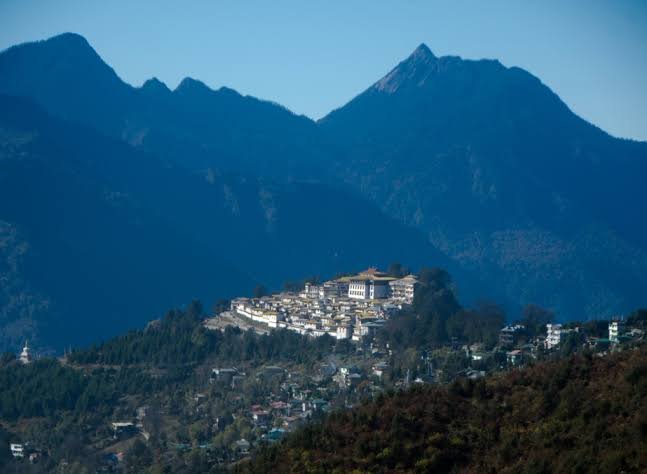
The Natural Beauty of Tawang, Arunachal Pradesh

Perched at an altitude of approximately 3,048 meters, Tawang is part of the Eastern Himalayas—one of the most ecologically rich and least explored mountain regions in India. The journey itself is a spectacle: winding roads, dramatic valleys, frozen streams, and panoramic views that feel endless.

A Landscape Sculpted by Snow and Silence

Tawang’s scenery is defined by:

  • Snow-capped Himalayan peaks
  • High-altitude alpine lakes
  • Dense conifer and rhododendron forests
  • Deep river valleys and waterfalls
  • Vast open meadows dotted with prayer flags

Much of the region remains untouched by mass tourism, making Tawang a prime destination for eco-tourism in India. The air is crisp, the silence profound, and the natural beauty almost meditative.

Lakes That Reflect the Sky

The lakes of Tawang are among the most pristine in the country. Fed by glaciers and snowmelt, they shimmer in shades of blue, green, and silver depending on light and season. These lakes are not just scenic highlights—they are deeply spiritual, often associated with local legends and Buddhist beliefs.

Why Tawang Is a Top Nature Destination in India

Unlike commercial hill stations, Tawang remains raw and authentic. Tourism here is naturally regulated by geography and climate, encouraging slow travel, local homestays, and deep cultural immersion. This balance makes Tawang one of India’s most sustainable and meaningful nature tourism destinations.


Best Time to Visit Tawang

March to June – Spring & Early Summer

This is one of the best times to visit Tawang. Snow begins to melt, flowers bloom, and roads are more accessible. Ideal for sightseeing, monasteries, and lakes.

July to September – Monsoon Season

Monsoon brings lush greenery but also landslides and road challenges. Recommended only for experienced travelers who enjoy offbeat travel and solitude.

October to November – Autumn Magic

Clear skies, crisp air, and golden landscapes make this an excellent season for photography and cultural exploration.

December to February – Harsh Winter

Heavy snowfall transforms Tawang into a white wonderland. Travel is difficult but rewarding for snow lovers and adventure seekers.


Flora & Fauna of Tawang

Alpine & Forest Vegetation

Tawang’s ecosystems support:

  • Rhododendron forests (spectacular in spring)
  • Alpine meadows
  • Pine and fir trees
  • Medicinal Himalayan herbs

The region is ecologically sensitive, making responsible travel essential.

Wildlife of the Eastern Himalayas

Though elusive, the region is home to:

  • Snow Leopard (rare sightings)
  • Red Panda
  • Himalayan Black Bear
  • Musk Deer
  • Monal and other high-altitude birds

This biodiversity enhances Tawang’s reputation as a top eco-tourism and wildlife travel destination in India.


Top Attractions & Hidden Gems in Tawang

Tawang Monastery

The iconic Tawang Monastery is the largest monastery in India and the second largest in the world. Founded in the 17th century, it overlooks the valley like a spiritual fortress. Inside, massive prayer halls, ancient scriptures, and a towering Buddha statue create a deeply moving experience.

Sela Pass

At over 4,170 meters, Sela Pass is one of the most dramatic mountain passes in India. Snow-covered for most of the year, it offers breathtaking views and access to Sela Lake.

Madhuri Lake (Sangetsar Tso)

Formed after an earthquake, Madhuri Lake is a hauntingly beautiful high-altitude lake surrounded by dead tree trunks and mountains—otherworldly and unforgettable.

Pankang Teng Tso (Hidden Gem)

A lesser-known alpine lake, Pankang Teng Tso offers serenity without crowds, making it perfect for quiet reflection and photography.


Where to Stay in Tawang: Hotels & Lodges

1. Hotel Tawang Heights – Luxury

One of the best luxury options in Tawang, offering heated rooms, panoramic mountain views, modern amenities, and warm hospitality.

2. Vamoose Hotel Tawang – Mid-Range

A comfortable boutique stay with cozy interiors, local decor, reliable service, and scenic surroundings.

3. Dolma Hotel – Budget

Popular among budget travelers, offering clean rooms, basic amenities, and a convenient town-center location.

4. Tawang Homestays – Authentic Budget

Family-run homestays provide simple comfort, home-cooked meals, and immersive cultural experiences.


What & Where to Eat in Tawang

Popular Food Places

  • Dragon Restaurant – Tibetan & Indian food
  • Zomkhang Restaurant – Authentic local flavors
  • Mon Valley Restaurant – Multi-cuisine comfort food

Must-Try Local Dishes

  • Thukpa (noodle soup)
  • Momos
  • Zan (traditional Monpa porridge)
  • Butter Tea
  • Churpi (local cheese)

Food here is warming, nourishing, and perfectly suited to the cold mountain climate.


How to Plan Your Trip to Tawang

How to Reach

  • By Air: Tezpur Airport (≈320 km)
  • By Train: Tezpur or Guwahati
  • By Road: Scenic but challenging drive via Bomdila

Inner Line Permit (ILP) is mandatory for Indian travelers.

Travel Websites & Booking Resources

  • Arunachal Pradesh Tourism – Official travel info & permits
  • MakeMyTrip – Hotels & transport
  • IRCTC – Train bookings

Advance planning is essential due to remote location and limited infrastructure.

8.Havelock Island (Swaraj Dweep), Andaman & Nicobar – Coral Reefs, Beaches & India’s Tropical Paradise

The Natural Beauty of Havelock Island, Andaman & Nicobar

Havelock Island lies about 41 km from Port Blair and is part of the Andaman & Nicobar archipelago. Unlike commercial beach destinations, Havelock’s beauty feels raw and balanced—where forests meet the sea without interruption.

Beaches That Redefine Perfection

Havelock is home to beaches that consistently rank among the best in Asia:

  • Long stretches of untouched white sand
  • Turquoise and emerald waters
  • Gentle waves ideal for swimming
  • Sunsets that seem unreal

The island’s most famous shoreline, Radhanagar Beach, was once rated Asia’s best beach. Free from loud shacks and concrete structures, it remains a symbol of sustainable beach tourism in India.

Coral Reefs & Underwater Worlds

Beneath Havelock’s calm surface lies a thriving marine ecosystem:

  • Colorful coral gardens
  • Tropical reef fish
  • Sea turtles
  • Rays and reef sharks (harmless)

The reefs here are among the healthiest in India, making Havelock one of the best destinations for scuba diving and snorkeling in the country. Visibility is excellent, and water temperatures remain comfortable year-round.

Why Havelock Is a Top Eco-Tourism Destination

Strict regulations, limited construction, and eco-sensitive tourism policies have helped preserve Havelock’s fragile ecosystem. Plastic use is restricted, beaches remain largely untouched, and tourism supports local livelihoods. This balance places Havelock Island at the forefront of sustainable and responsible tourism in India.


Best Time to Visit Havelock Island

October to May – Best Overall Season

This is the best time to visit Havelock Island. Seas are calm, skies are clear, and water visibility is ideal for diving and snorkeling. Perfect for:

  • Beach holidays
  • Scuba diving courses
  • Island hopping
  • Honeymoons

June to September – Monsoon Season

Monsoon brings lush greenery and fewer tourists but rough seas. Water activities may be limited, yet this season appeals to travelers seeking solitude and off-season deals.


Flora & Fauna: Tropical Life Above & Below Water

Island Vegetation

Havelock Island is covered with:

  • Tropical rainforests
  • Coconut palms
  • Mangroves
  • Coastal vegetation

These forests help stabilize the shoreline and support the island’s biodiversity.

Marine Life & Wildlife

Havelock’s surrounding waters host:

  • Parrotfish, clownfish, angelfish
  • Moray eels and octopus
  • Green sea turtles
  • Dolphins (occasionally spotted)

Birdlife includes sea eagles, kingfishers, and tropical birds, adding to Havelock’s appeal as a nature tourism hotspot.


Top Attractions & Hidden Gems in Havelock Island

Radhanagar Beach

The soul of Havelock Island. Ideal for swimming, sunset viewing, photography, and long barefoot walks. Its untouched charm sets it apart from other Indian beaches.

Elephant Beach

Accessible by boat or forest trek, Elephant Beach is famous for shallow coral reefs and water sports like snorkeling, sea walking, and kayaking.

Kalapathar Beach (Hidden Gem)

A quieter beach with black rocks contrasting white sand. Ideal for sunrise walks and peaceful reflection.

Scuba Diving Experiences

Havelock is India’s premier scuba diving destination. Beginners and certified divers can explore coral walls, reef slopes, and underwater caves.


Where to Stay in Havelock Island: Hotels & Resorts

1. Taj Exotica Resort & Spa Andamans – Ultra Luxury

A world-class eco-luxury resort offering beachfront villas, spa, fine dining, private beach access, and exceptional service. Ideal for honeymooners and luxury travelers.

2. Barefoot at Havelock – Premium Eco-Stay

A nature-focused resort built with minimal environmental impact. Known for rustic cottages, diving facilities, and serene forest-beach setting.

3. Symphony Palms Beach Resort – Mid-Range

Comfortable beachfront stay with modern rooms, restaurant, and easy beach access. Great value for couples and families.

4. Emerald Gecko – Budget

A popular budget option offering clean rooms, friendly service, scooter rentals, and relaxed island vibes.


What & Where to Eat in Havelock Island

Popular Restaurants & Cafés

  • Anju Coco Resto – Seafood & global cuisine
  • Something Different – A Beachside Café – Fresh seafood & sunset views
  • Full Moon Café – Casual dining and drinks
  • Resort Restaurants – Hygienic, multi-cuisine options

Must-Try Local Dishes

  • Grilled reef fish
  • Prawn curry
  • Coconut-based seafood
  • Andaman-style fish fry
  • Fresh tropical fruits

Food here is fresh, light, and perfectly complements island life.


How to Plan Your Trip to Havelock Island

How to Reach

  • By Air: Veer Savarkar International Airport, Port Blair
  • By Sea: Ferry from Port Blair to Havelock (≈90 minutes)

Travel Websites & Booking Resources

  • Andaman & Nicobar Tourism – Official travel guidelines
  • MakeMyTrip – Flights, hotels, packages
  • IRCTC – Mainland travel bookings

Advance booking is strongly recommended during peak season.

9.Rann of Kutch, Gujarat – The White Salt Desert & India’s Most Surreal Landscape

The Natural Beauty of the Rann of Kutch

The Rann of Kutch is divided into two main regions:

  • Great Rann of Kutch – the vast white salt desert
  • Little Rann of Kutch – known for wildlife and grasslands

Together, they form one of the largest salt deserts in the world.

A Landscape Born of Extremes

For much of the year, the Rann lies submerged under shallow seawater during monsoon months. As the water recedes, it leaves behind a thick crust of crystallized salt, creating a flat, white expanse that appears almost extraterrestrial.

The scenery is defined by:

  • Endless white salt flats
  • Mirage-like horizons
  • Dramatic sunrises and sunsets
  • Star-filled night skies
  • Full-moon reflections that turn the desert silver

During the day, the desert appears blindingly white under the sun. At night, especially during a full moon, it transforms into a glowing, silent wonderland—making it one of the most photographed natural landscapes in India.

Why the Rann Is a Top Nature Destination in India

Unlike forests or mountains, the Rann’s beauty lies in its stark minimalism. There is nothing to distract you—no trees, no buildings, no noise. This raw openness makes the Rann a rare destination where nature feels infinite and humbling. Combined with controlled tourism and seasonal access, it has become a flagship eco-tourism destination in India.


Best Time to Visit Rann of Kutch

November to February – Best Time to Visit

This is the best time to visit the Rann of Kutch. The weather is pleasant, the salt desert is dry and accessible, and cultural events are in full swing.

  • Ideal for desert walks and photography
  • Comfortable daytime temperatures
  • Cool, magical nights

Rann Utsav Season (November–February)

This period coincides with the world-famous Rann Utsav, when the desert hosts cultural performances, handicrafts, folk music, and tent accommodations.

March to June – Harsh Summer

Extreme heat makes travel uncomfortable and is not recommended.

July to September – Monsoon (Closed)

The desert floods and becomes inaccessible, but this seasonal flooding is vital to the Rann’s ecology.


Flora & Fauna: Life in a Harsh Land

Desert Vegetation

Despite harsh conditions, the Rann supports:

  • Salt-tolerant grasses
  • Shrubs and thorny plants
  • Seasonal algae during monsoon

Wildlife of the Rann

The Wild Ass Sanctuary in the Little Rann of Kutch is the last refuge of the endangered Indian Wild Ass (Khur).

Other wildlife includes:

  • Desert fox
  • Nilgai
  • Blackbuck
  • Flamingos and migratory birds
  • Wolves and hyenas (rare sightings)

The Rann also plays a critical role in migratory bird routes, making it an important birdwatching destination in India.


Top Attractions & Hidden Gems in the Rann of Kutch

White Rann (Great Rann of Kutch)

The main attraction—an endless white salt desert best explored during sunrise, sunset, or full moon nights.

Kala Dungar (Black Hill)

The highest point in Kutch, offering panoramic views of the Great Rann. A sacred site with spiritual significance and dramatic landscapes.

Kutch Villages & Handicrafts

Villages like Hodka, Dhordo, and Nirona are famous for:

  • Rogan art
  • Bandhani textiles
  • Mirror embroidery
  • Bell metal crafts

These villages represent sustainable, community-driven tourism at its best.

Dholavira (Hidden Gem)

Located near the Rann, Dholavira is a UNESCO-listed Harappan archaeological site, offering insight into one of the world’s oldest civilizations.


Where to Stay in Rann of Kutch: Hotels & Tents

1. Rann Utsav Tent City – Luxury

A seasonal luxury tent city offering cultural programs, guided tours, dining, and premium accommodations right at the edge of the White Rann.

2. Shaam-e-Sarhad Village Resort – Premium Eco-Stay

A community-run eco-resort showcasing traditional Kutchi architecture, local food, and authentic village experiences.

3. Gateway to Rann Resort – Mid-Range

Comfortable rooms, cultural decor, modern amenities, and good access to desert attractions.

4. Hotel Prince Residency Bhuj – Budget

A clean and affordable option in Bhuj, ideal for travelers exploring Kutch independently.


What & Where to Eat in the Rann of Kutch

Popular Food Places

  • Umiyaji Dining Hall – Authentic Gujarati meals
  • Hotel Prince Restaurant – Reliable vegetarian food
  • Tent City Dining (Rann Utsav) – Cultural and regional cuisine

Must-Try Local Dishes

  • Gujarati Thali
  • Bajra Rotla
  • Kadhi
  • Undhiyu (seasonal)
  • Chaas (buttermilk)

Kutchi cuisine is simple, nourishing, and perfectly adapted to desert life.


How to Plan Your Trip to Rann of Kutch

How to Reach

  • By Air: Bhuj Airport
  • By Train: Bhuj Railway Station
  • By Road: Well-connected from Ahmedabad

A permit is required to visit the White Rann, issued at entry checkpoints.

Travel Websites & Booking Resources

  • Gujarat Tourism – Official travel info & permits
  • MakeMyTrip – Hotels, transport, packages
  • IRCTC – Train bookings

Advance planning is essential during Rann Utsav season.

10.Sundarbans, West Bengal – Mangrove Forests, Royal Bengal Tigers & India’s Wildest Delta

The Natural Beauty of the Sundarbans

The Sundarbans lie in the vast delta formed by the Ganges, Brahmaputra, and Meghna rivers before they meet the Bay of Bengal. This deltaic wilderness spans thousands of square kilometers, with the Indian portion protected as a biosphere reserve and national park.

A Forest Shaped by Tides

Unlike hill forests or jungles, the Sundarbans are defined by water. Twice daily, tides rise and fall, reshaping channels and flooding forest floors. The scenery includes:

  • Dense mangrove forests with tangled roots
  • Narrow creeks and wide rivers
  • Mudflats exposed at low tide
  • Estuarine islands constantly changing shape

The constant interplay of land and water creates an environment that feels alive and unpredictable. Misty mornings, golden sunsets over rivers, and silent boat journeys through creeks make the Sundarbans visually haunting and unforgettable.

Mangroves: Nature’s Coastal Guardians

Mangroves are the backbone of the Sundarbans ecosystem. Species like Sundari trees (from which the forest gets its name), Avicennia, and Rhizophora protect coastlines from cyclones, prevent erosion, and provide breeding grounds for fish.

This ecological importance has earned the Sundarbans recognition as a UNESCO World Heritage Site and one of the most critical eco-tourism destinations in India.


Best Time to Visit the Sundarbans

November to February – Best Overall Season

This is the best time to visit the Sundarbans. Weather is cooler, humidity is lower, and wildlife sightings are more comfortable. Ideal for:

  • Boat safaris
  • Birdwatching
  • Nature photography

March to April – Pre-Summer Wildlife Season

Hotter but good for spotting animals near water sources. Recommended for serious wildlife enthusiasts.

May to September – Monsoon (Not Recommended)

Heavy rains, cyclones, and flooding make travel risky. However, monsoon is crucial for the forest’s survival and regeneration.


Flora & Fauna: Life in the Mangrove Kingdom

Mangrove Vegetation

The Sundarbans host over 60 mangrove species, including:

  • Sundari trees
  • Keora
  • Goran
  • Hental palms

These salt-tolerant plants have evolved complex root systems to survive tidal flooding and saline water.

The Royal Bengal Tiger

The undisputed icon of the Sundarbans is the Royal Bengal Tiger. Unlike tigers elsewhere, Sundarbans tigers:

  • Are strong swimmers
  • Navigate muddy terrain
  • Adapt to saline environments

Though sightings are rare, the knowledge that you are in tiger territory adds a thrilling intensity to every journey.

Other Wildlife

The Sundarbans support remarkable biodiversity:

  • Estuarine crocodiles
  • Spotted deer (chital)
  • Wild boar
  • Fishing cats
  • Monitor lizards
  • River dolphins
  • Over 250 bird species

This richness makes the region a top wildlife tourism destination in India.


Top Attractions & Hidden Gems in the Sundarbans

Boat Safari Through Mangrove Creeks

The primary way to explore the Sundarbans is by boat. Quiet cruises through narrow creeks offer chances to spot wildlife along muddy banks and hear the forest come alive.

Sajnekhali Watchtower

One of the most accessible watchtowers, offering views of rivers, mangroves, and birdlife. Also houses an interpretation center.

Sudhanyakhali Watchtower

A popular wildlife observation point with freshwater ponds that attract deer and other animals.

Dobanki Canopy Walk (Hidden Experience)

An elevated walkway through mangroves that gives a rare, immersive perspective of the forest ecosystem.

Bonnie Camp (Remote Gem)

A less-visited area offering deep wilderness experience and silence rarely found elsewhere.


Where to Stay in the Sundarbans: Hotels & Eco-Lodges

1. Sundarban Jungle Camp – Premium Eco-Stay

An eco-friendly lodge offering cottages, solar power, guided safaris, cultural programs, and strong conservation focus.

2. Sajnekhali Tourist Lodge – Budget

Run by West Bengal Tourism, offering basic but reliable accommodation near forest entry points.

3. Mangrove Retreat – Mid-Range

Comfortable riverside stay with local cuisine, boat safaris, and village experiences.

4. Royal Sundarban Wild Resort – Mid to Premium

Spacious rooms, observation decks, cultural evenings, and curated wildlife tours.


What & Where to Eat in the Sundarbans

Popular Dining Options

  • Sundarban Jungle Camp Restaurant – Authentic Bengali meals
  • Sajnekhali Lodge Dining – Simple local food
  • Resort Dining Halls – Hygienic regional cuisine

Must-Try Local Dishes

  • Fish curry with rice
  • Chingri Malai Curry (prawn)
  • Crab curry
  • Shukto (mixed vegetable dish)
  • Bengali sweets like sandesh

Food here is fresh, river-sourced, and deeply connected to local traditions.


How to Plan Your Trip to the Sundarbans

How to Reach

  • By Air: Netaji Subhas Chandra Bose International Airport, Kolkata
  • By Road: Kolkata → Godkhali → Boat transfer
  • By Train: Sealdah to Canning, then road transfer

Most trips are organized packages due to restricted access areas.

Travel Websites & Booking Resources

  • West Bengal Tourism Development Corporation – Official information
  • MakeMyTrip – Packages and hotels
  • IRCTC – Train bookings

Permits and guides are mandatory for entry into core forest zones.

Scroll to Top